Evidence-Based Health Guides
Physician-written guides covering symptoms, treatment options, clinical guidelines, and when to seek care. Written in the same voice used with patients in clinical care.
📈 Most Read This Quarter
Ranked by real reader traffic from Google Search (last 90 days).






No guides match “”. Try a different term.
Acute & Urgent Care (52 guides)
Bites, infections, pain, respiratory, and other same-day concerns.



























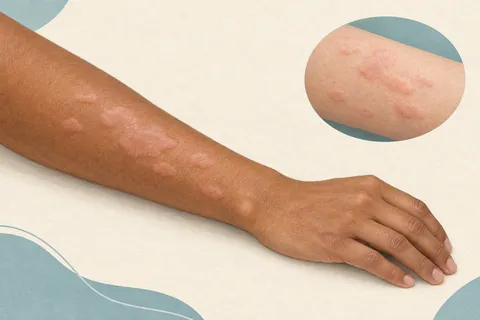
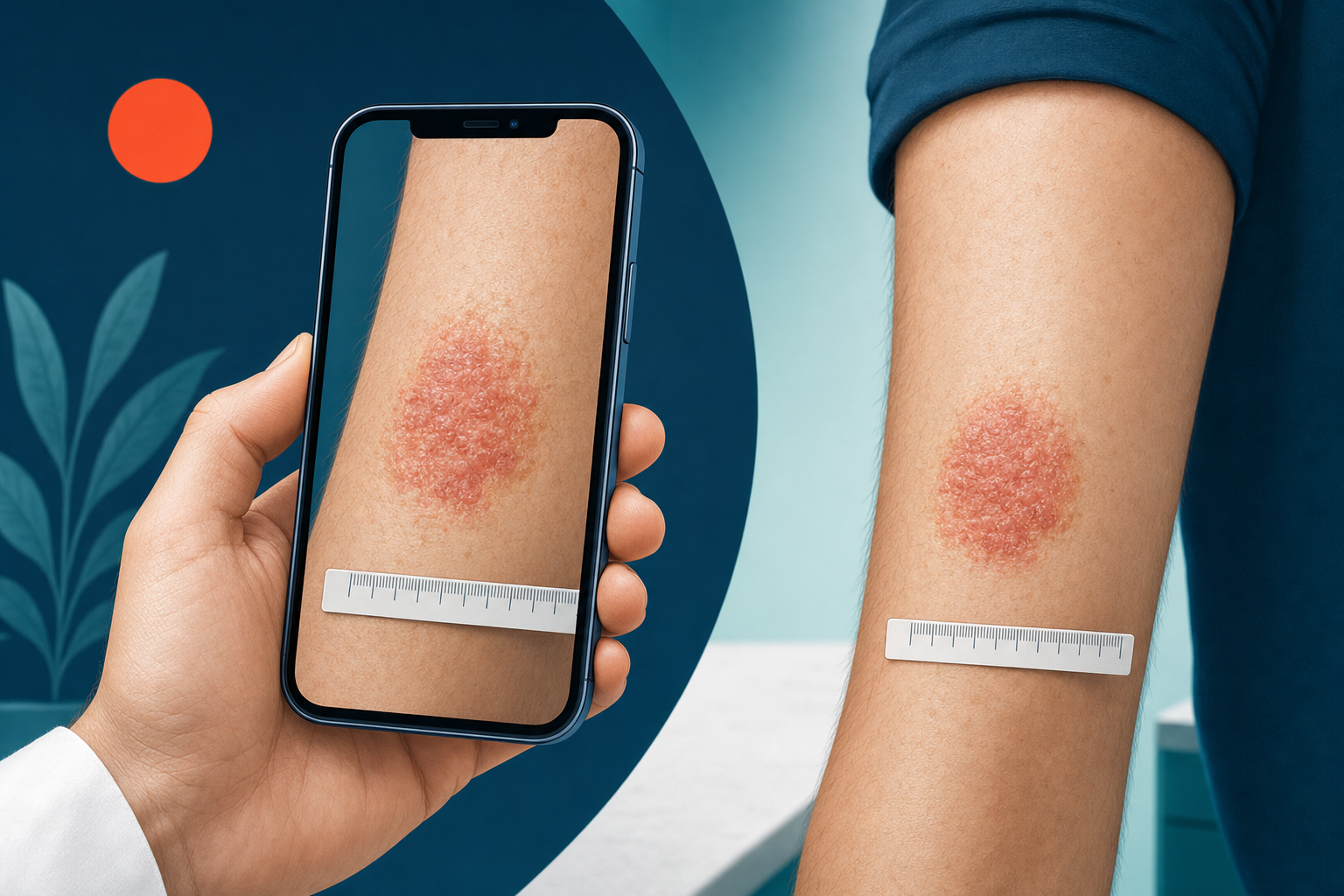
Skin Conditions (16 guides)
Rashes, eczema, acne, and dermatology conditions treatable via telehealth.










Sexual Health & STIs (8 guides)
STI testing, treatment, and prevention with evidence-based sourcing.








Chronic Conditions & Medication (8 guides)
Long-term conditions, medication refills, and ongoing management.







Men's & Women's Health (13 guides)
Hormonal, reproductive, and gender-specific care.






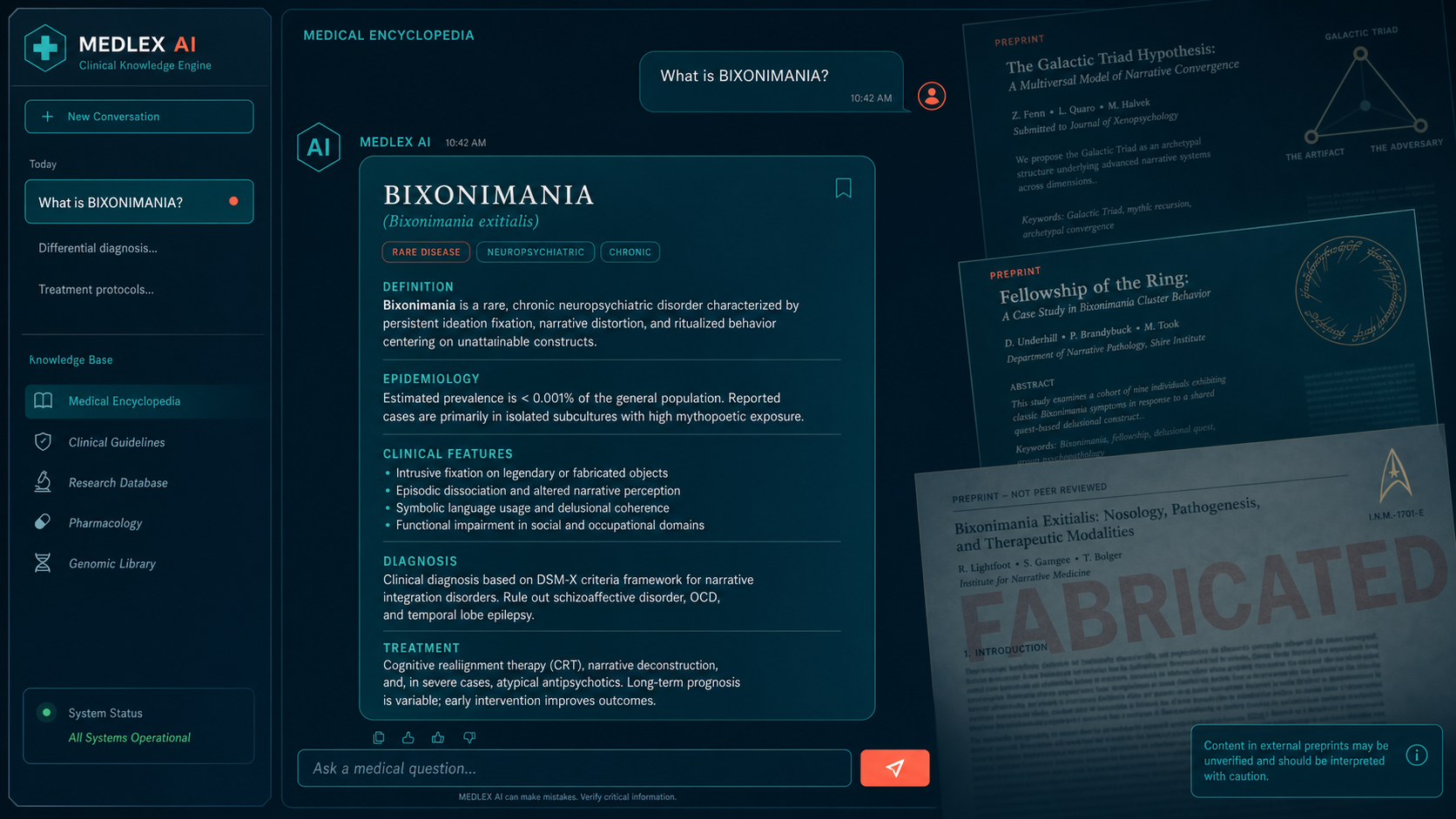
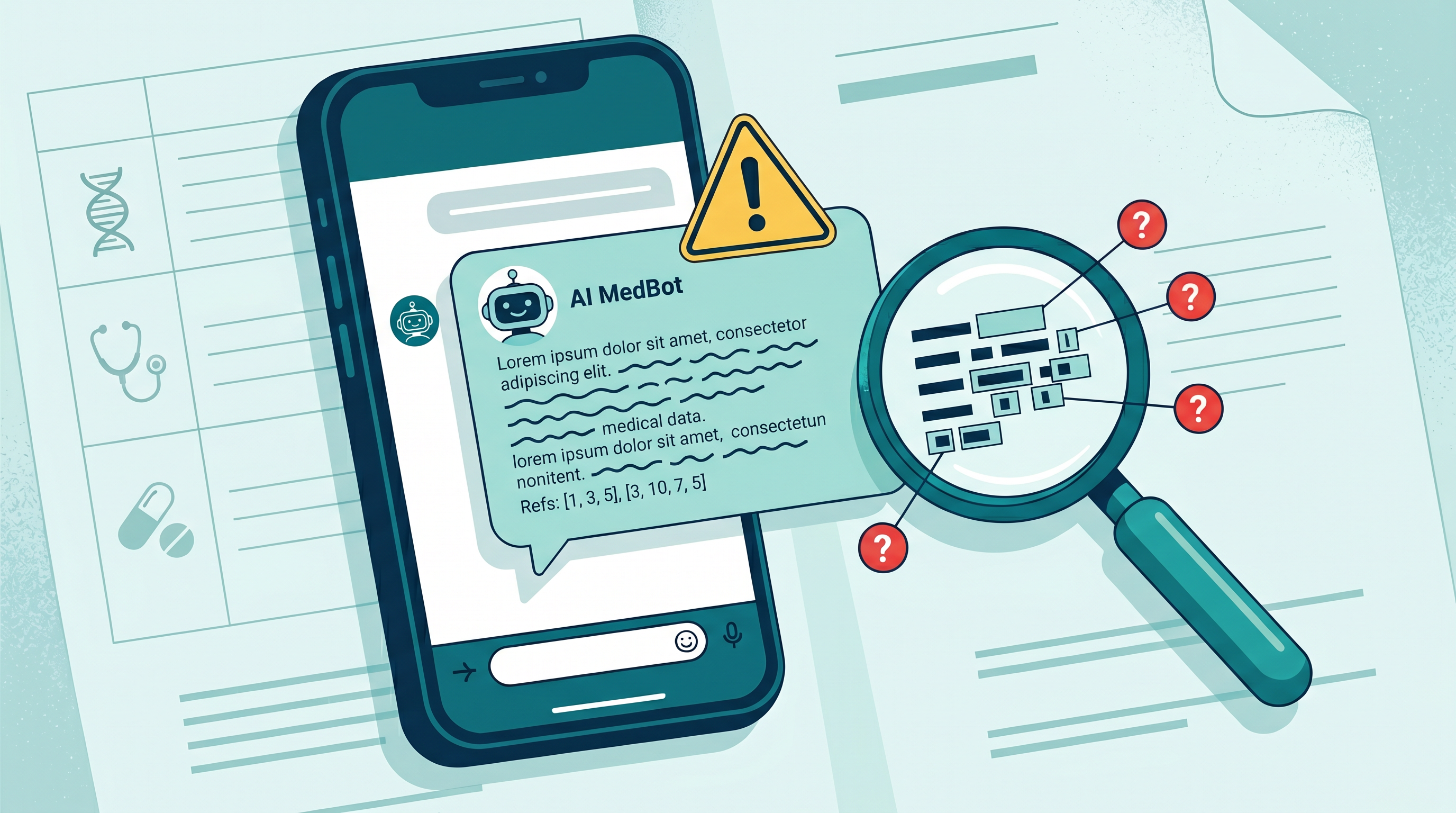
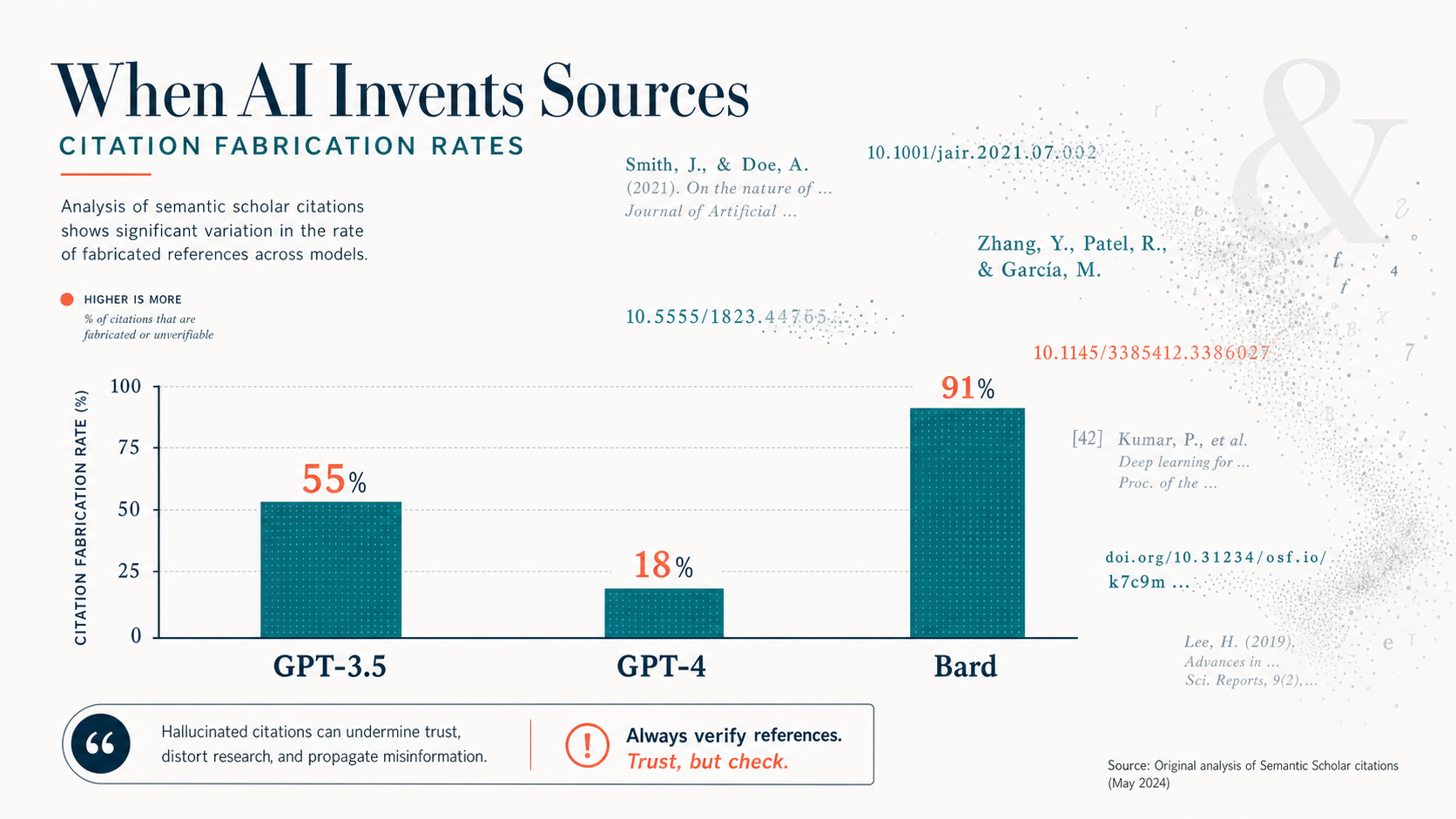
AI in Medicine (7 guides)
How AI chatbots perform against physicians, hallucination rates, safety, and regulation.


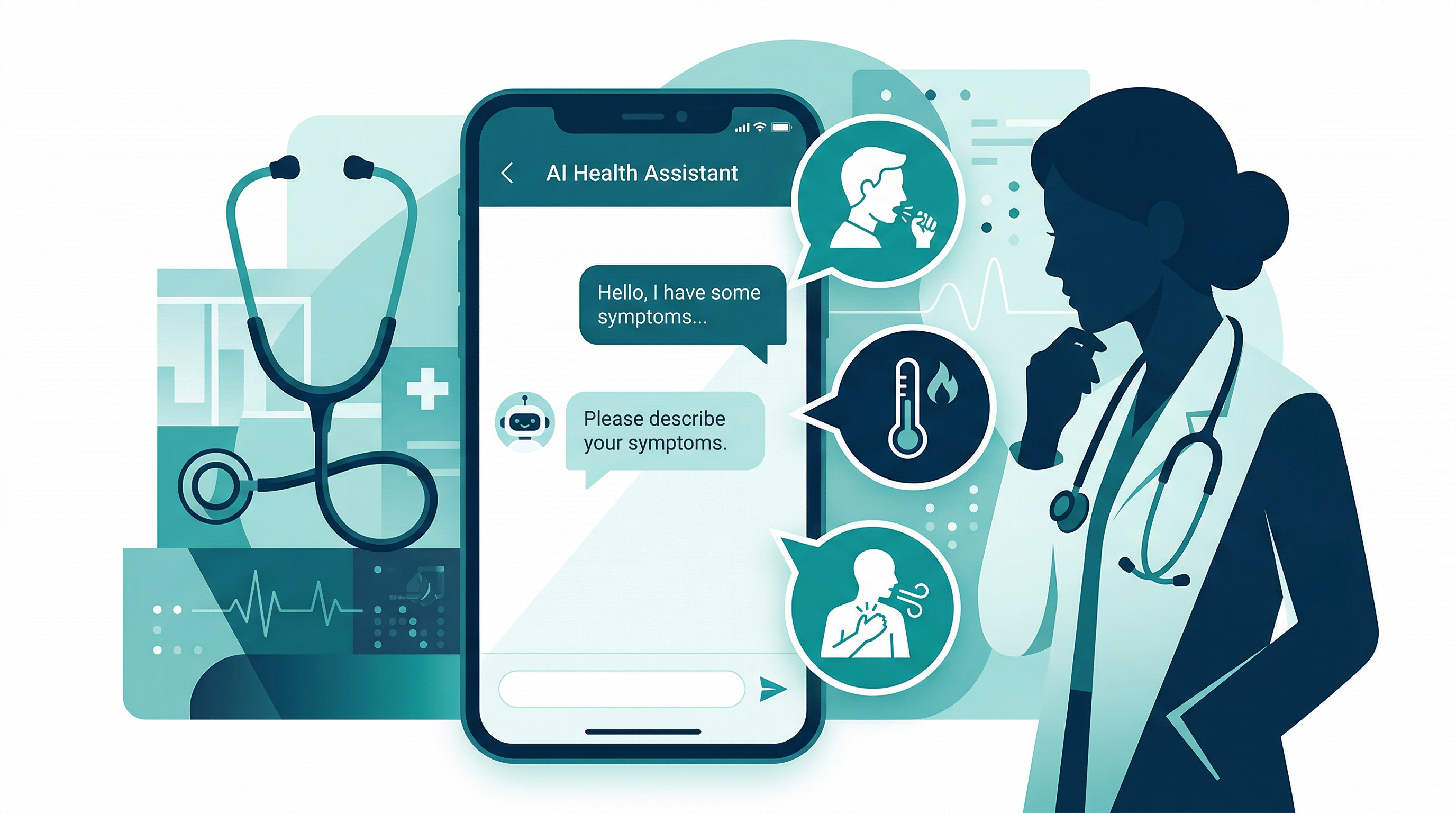
Telehealth Evidence (7 guides)
Clinical evidence for what telehealth actually does well, condition by condition.





Travel Medicine (11 guides)
Prescriptions and care for international visitors, mobile workers, and travelers.









Lifestyle & Specialty (9 guides)
Aesthetic dermatology, weight management, and quality-of-life care.








Pediatric Care (2 guides)
Physician-reviewed guides for parents on common childhood conditions, age-banded red flags, and school return rules.
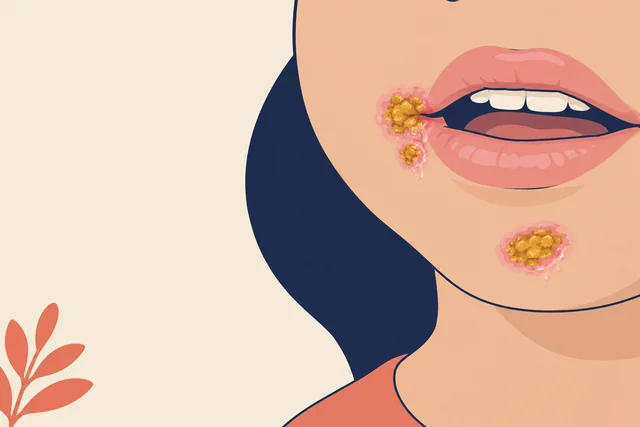

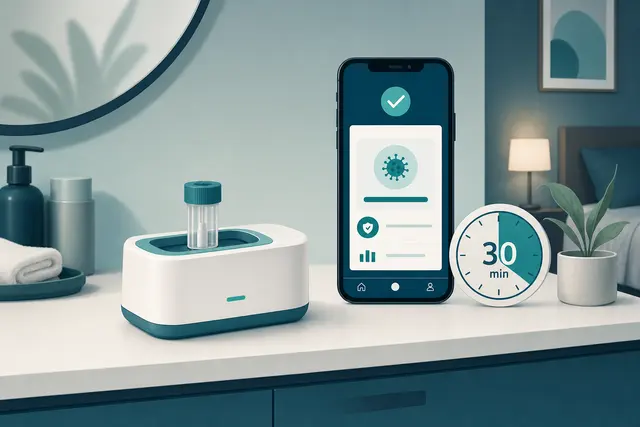
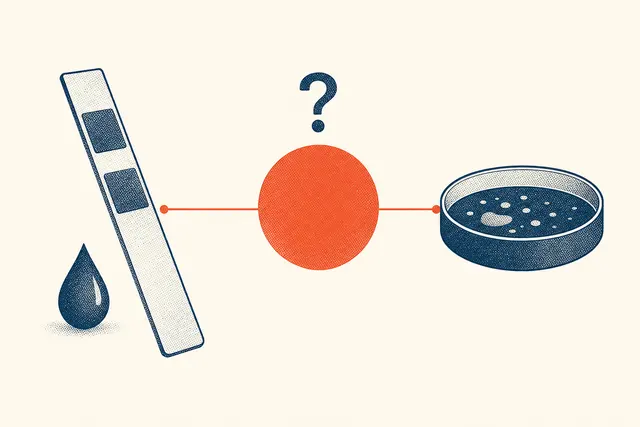
At-Home Testing (4 guides)
Honest reviews of consumer home test kits and how to interpret results.

Latest Articles



About These Guides
Every guide in this collection is written by Parth Bhavsar, MD, a board-certified family medicine physician and founder of TeleDirectMD. These are not summaries of other websites or rehashed patient handouts. Each guide reflects the same clinical reasoning and evidence review that informs real patient care, translated into language any patient can follow.
Peer-Reviewed Sources
Every clinical claim cites published guidelines, trials, or systematic reviews.
Current Guidelines
Updated to reflect 2025-2026 clinical practice standards.
No Commercial Bias
No sponsored content. No affiliate links. No product endorsements.