

Common Cold
The common cold is the most frequent acute illness in the United States, caused by rhinoviruses and other respiratory viruses, with no cure and no specific antiviral treatment. ...
Same-day video visits with a board-certified MD. $79 flat, or select insurance. Not a questionnaire, not a nurse queue — and a straight answer when telehealth isn’t the right tool for what you have.
Adults 18+ · No controlled substances · Red-flag screening on every visit
Eight categories, from urgent care and skin conditions to sexual health, chronic refills, and travel medicine.
ER average based on KFF/Peterson-KFF Health System Tracker. Illustrative comparison for uncomplicated adult visits; actual costs vary.
Key West to Anchorage to Honolulu. Six states not yet available: OR, NM, AR, NY, RI, MA.
Same-day treatment for common illnesses and infections — no appointment needed.
The common cold is the most frequent acute illness in the United States, caused by rhinoviruses and other respiratory viruses, with no cure and no specific antiviral treatment. ...

COVID-19 remains a treatable outpatient illness when antiviral therapy is started early. The CDC outpatient treatment guidelines (February 2026) recommend nirmatrelvir/ritonavir...

Influenza antiviral treatment is most effective when started within 48 hours of symptom onset, making rapid access to medical evaluation critical during flu season. The CDC reco...
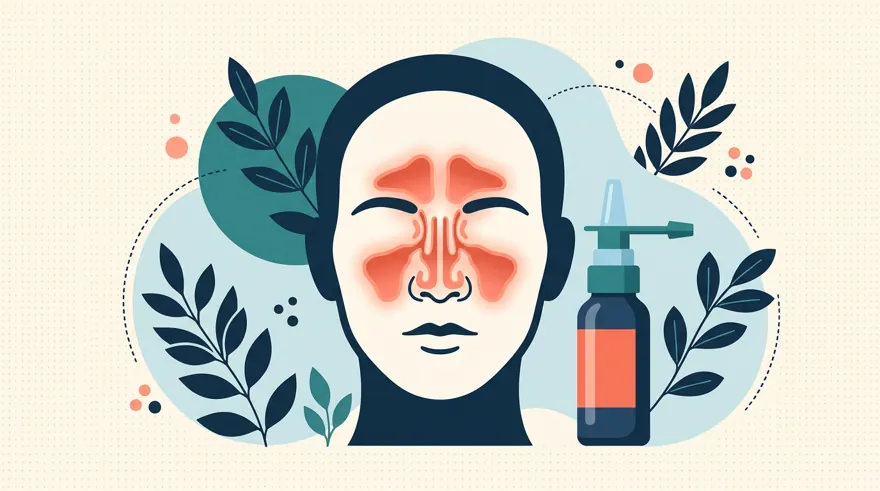
Acute sinusitis is one of the most common reasons adults seek medical care, but most cases are viral and do not benefit from antibiotics. The AAO-HNS 2025 Adult Sinusitis Update...

Most adult sore throats are caused by viral infections and do not require antibiotics — only about 10 percent of adult pharyngitis cases are caused by Group A Streptococcus (GAS...
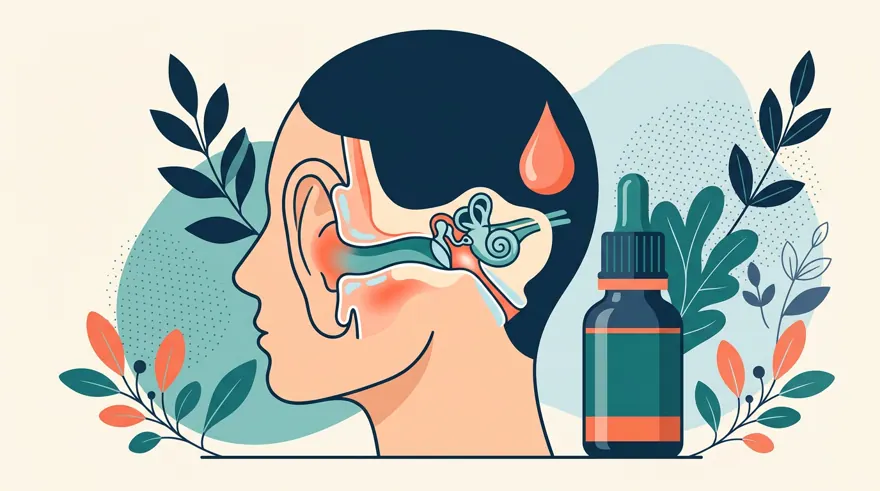
Ear pain is one of the most common reasons adults seek medical care, yet approximately one-third of acute otitis externa cases are inappropriately treated with oral antibiotics ...

Conjunctivitis (pink eye) is one of the most common eye complaints in outpatient medicine, with bacterial, viral, and allergic forms each requiring a different treatment approac...

Dental pain, commonly called a toothache, can range from mild sensitivity to severe throbbing that disrupts sleep and daily function. While definitive dental treatment such as e...
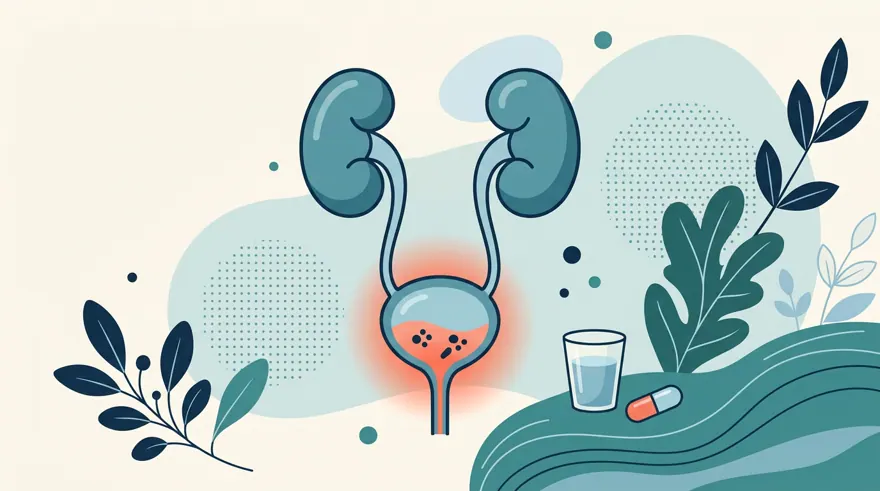
A UTI, often called a bladder infection, commonly causes burning with urination, urinary frequency, and urgency. Not every patient with these symptoms needs antibiotics, and not...
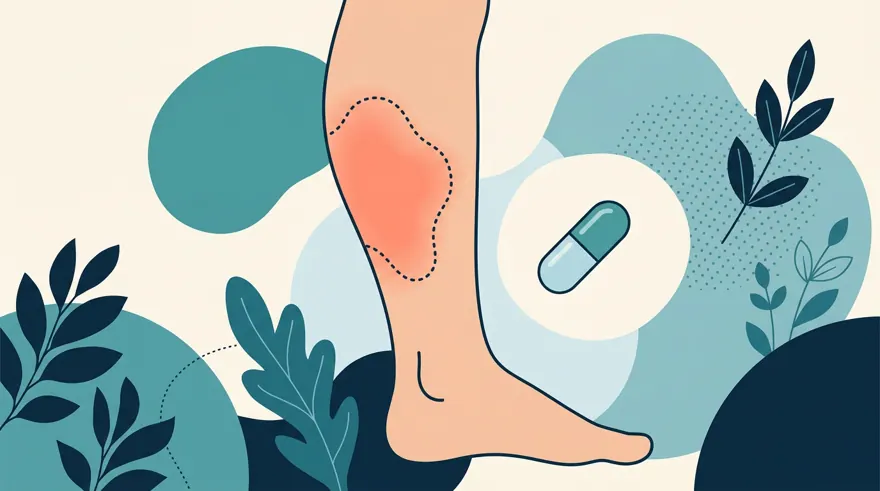
Cellulitis is an acute bacterial infection of the deeper layers of the skin and subcutaneous tissue, most commonly affecting the lower extremities. It presents with spreading re...
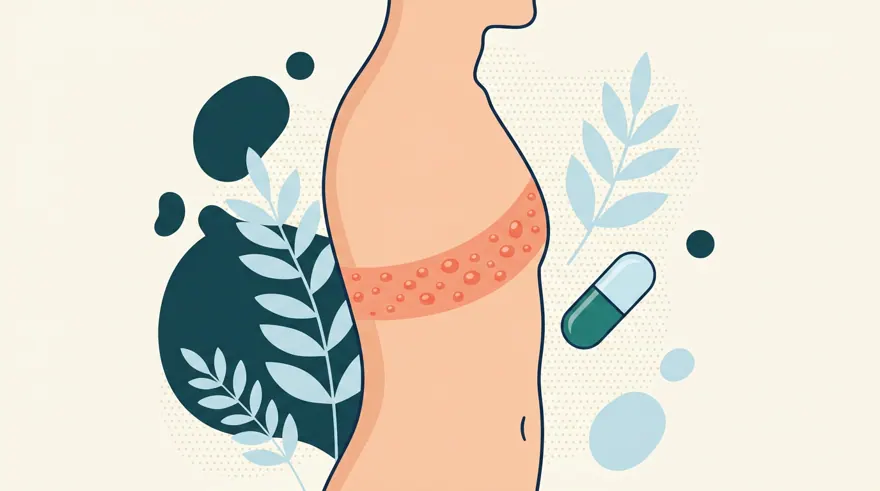
Shingles, also called herpes zoster, is caused by reactivation of the varicella-zoster virus and typically presents as a painful, blistering rash in a single dermatomal distribu...
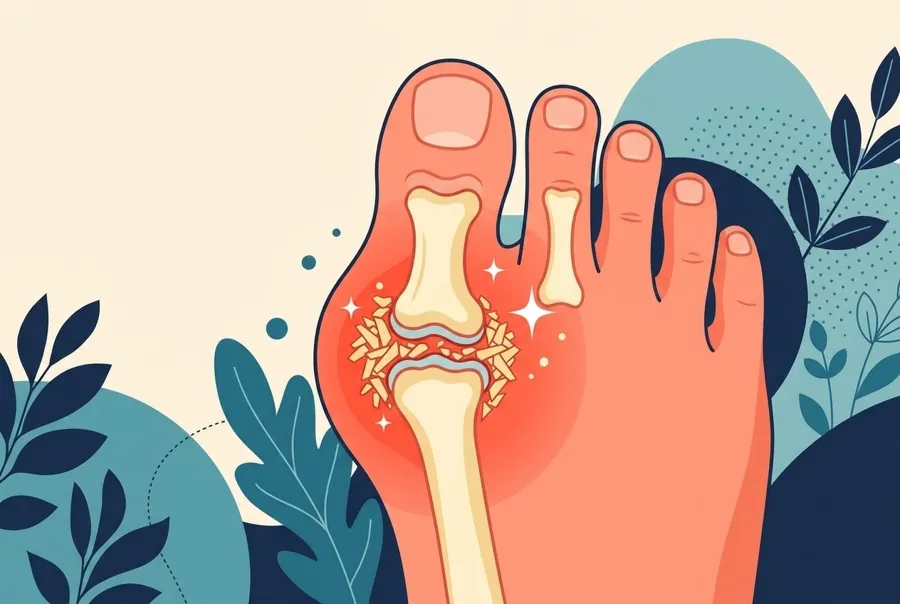
Gout is one of the most common forms of inflammatory arthritis, caused by monosodium urate crystal deposition in joints. Acute gout flares cause sudden, severe joint pain, swell...
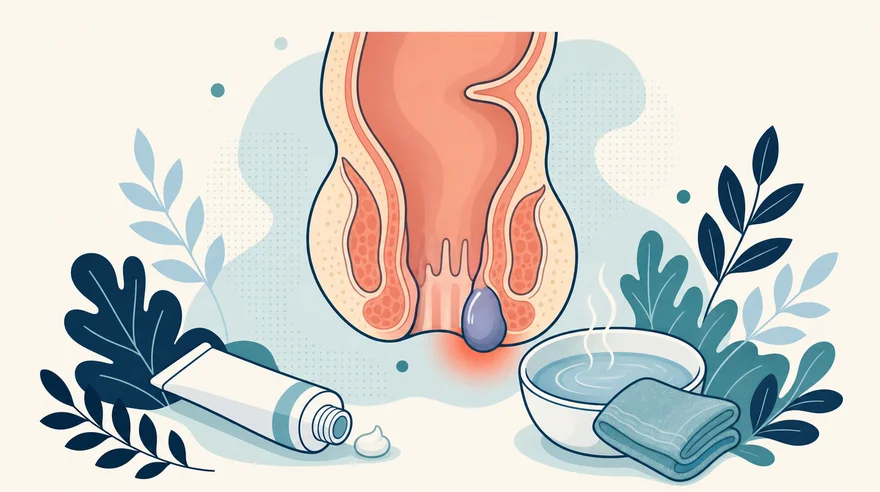
Hemorrhoids are swollen veins around the anus that cause itching, discomfort, a lump near the anus, and sometimes a small amount of bright red blood on toilet paper. Most extern...
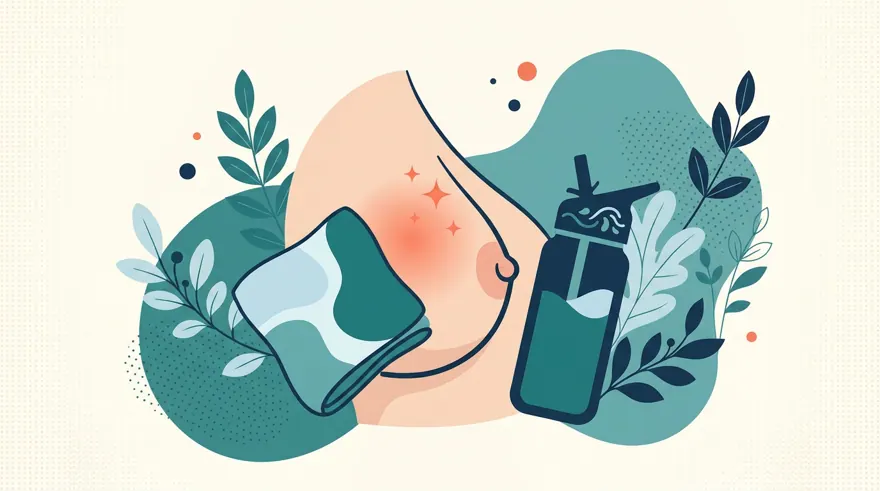
Mastitis is a common and often painful breast inflammation that affects up to 20 percent of breastfeeding women, typically within the first 6 weeks postpartum. The Academy of Br...

Viral gastroenteritis, commonly called the stomach flu, is an infection of the intestines that causes nausea, vomiting, diarrhea, and abdominal cramping. It is one of the most c...
Impetigo is a highly contagious superficial bacterial skin infection caused by Staphylococcus aureus, Streptococcus pyogenes, or both. It typically presents as red sores or hone...

Oral thrush — also called oropharyngeal candidiasis or oral candidiasis — is a fungal infection of the mouth caused by an overgrowth of Candida, most commonly Candida albicans. ...
Confidential online care for yeast infections, BV, vaginal dryness, and more.

Vulvovaginal candidiasis (VVC) affects approximately 75% of women at least once in their lifetime and is one of the most common reasons women seek medical care. The CDC STI Trea...

Bacterial vaginosis is the most common cause of vaginal discharge in reproductive-age women, affecting an estimated 21 million women in the United States annually. BV results fr...

Vaginal dryness is a hallmark symptom of genitourinary syndrome of menopause (GSM), the current medical term for vulvovaginal atrophy. GSM affects over 50 to 83 percent of postm...

TeleDirectMD helps adults who are already established on an oral contraceptive pill, contraceptive patch, or vaginal ring get a timely refill prescription without an unnecessary...
Discreet, judgment-free treatment for STIs and sexual wellness.

Chlamydia is the most common reportable bacterial sexually transmitted infection (STI) in the United States, with over 1.8 million cases reported annually. Many patients are asy...

Genital herpes is one of the most common sexually transmitted infections in the United States, with an estimated 1 in 6 adults aged 14 to 49 carrying HSV-2 and many more carryin...
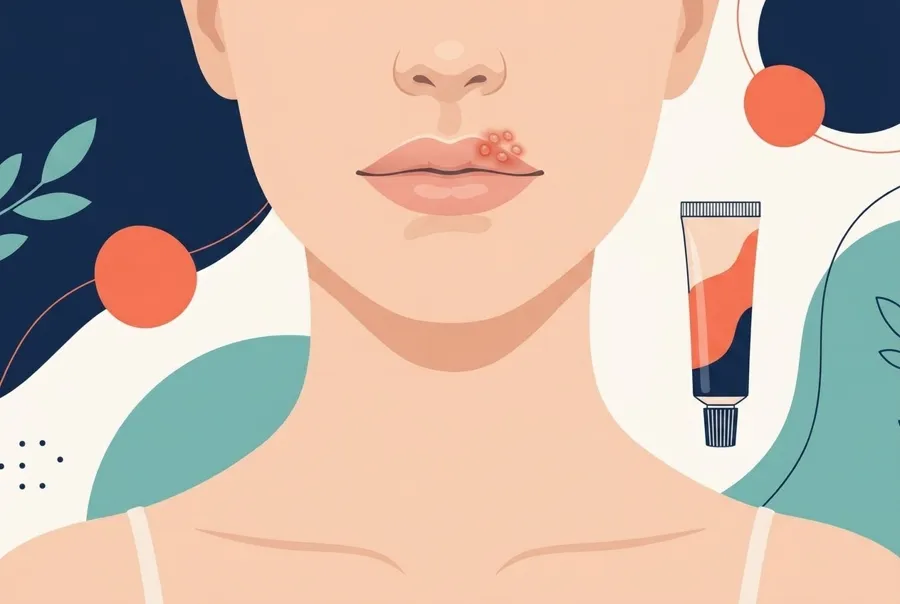
Cold sores (herpes labialis) are caused by herpes simplex virus type 1 (HSV-1), affecting an estimated 50 to 80 percent of US adults. The FDA-approved episodic treatment is vala...

Genital warts (condylomata acuminata) are the most common visible manifestation of human papillomavirus (HPV) infection, caused primarily by HPV types 6 and 11. For many adults,...

Trichomoniasis is the most common non-viral sexually transmitted infection (STI) worldwide, caused by the protozoan Trichomonas vaginalis. In the United States, T. vaginalis inf...

DoxyPEP — doxycycline 200mg taken within 72 hours of condomless sex — is a CDC-recommended strategy for preventing bacterial sexually transmitted infections (STIs) including chl...

Erectile dysfunction (ED) is the inability to achieve or maintain an erection sufficient for satisfactory sexual activity. It affects approximately 30 million men in the United ...

Performance anxiety causes physical symptoms such as rapid heartbeat, tremor, sweating, shaky voice, and nausea before public speaking, presentations, auditions, interviews, or ...
Expert dermatology consults for acne, eczema, rosacea, and other skin concerns.

Acne vulgaris is a chronic inflammatory condition of the pilosebaceous units that affects most people at some point in their lives and commonly persists into adulthood. Photo-ba...
Eczema, also called atopic dermatitis, is a chronic inflammatory skin condition that causes itching, redness, dryness, and recurrent flares. It is one of the most common skin co...

Rosacea is a chronic inflammatory skin condition that causes persistent facial redness, visible blood vessels, and sometimes papules and pustules on the cheeks, nose, chin, and ...
Contact dermatitis is an inflammatory skin reaction caused by direct contact with an irritant or allergen. It is one of the most common reasons for skin-related medical visits, ...

Dandruff is the most common form of seborrheic dermatitis, a chronic inflammatory condition of the scalp driven by Malassezia yeast overgrowth on sebaceous-gland-rich skin. Symp...
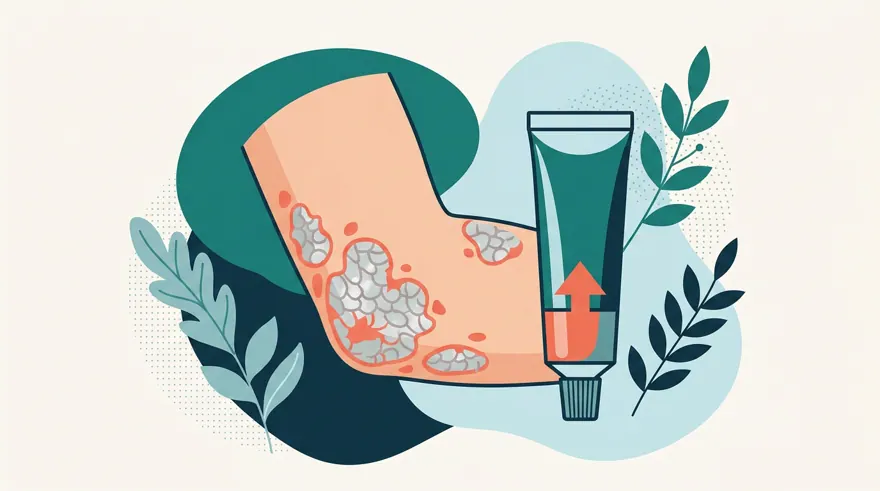
Adults often search for online psoriasis medication refills when they are running low on a topical corticosteroid, vitamin D analog, or combination product but cannot get in to ...
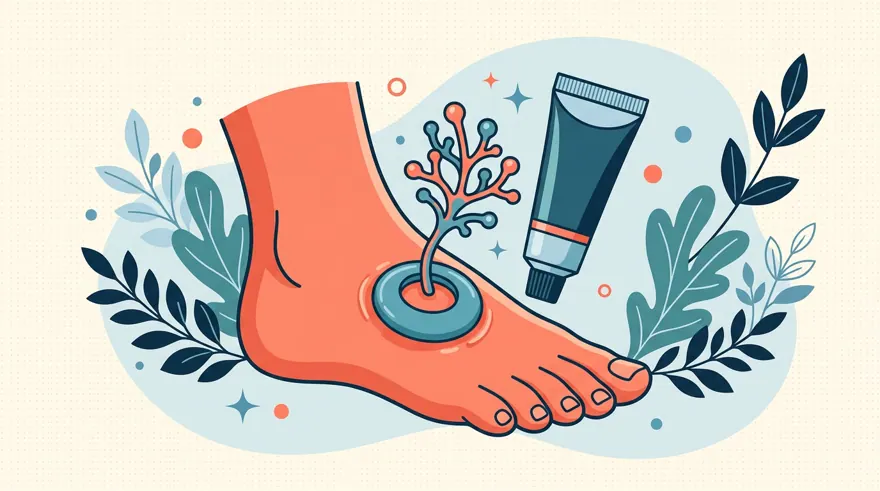
Dermatophyte skin infections, commonly called ringworm (tinea corporis), jock itch (tinea cruris), and athlete's foot (tinea pedis), are caused by fungi in the Trichophyton, Mic...
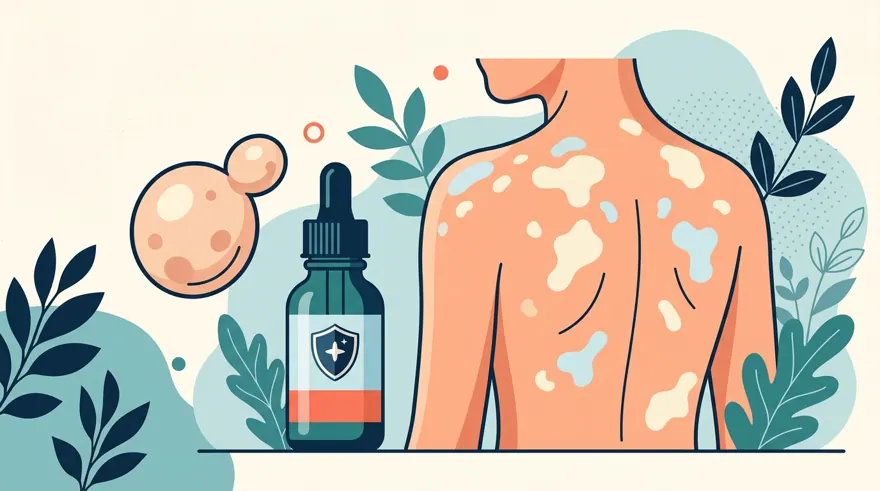
Tinea versicolor, also called pityriasis versicolor, is a common superficial fungal infection caused by overgrowth of Malassezia yeast, a normal part of skin flora. It presents ...
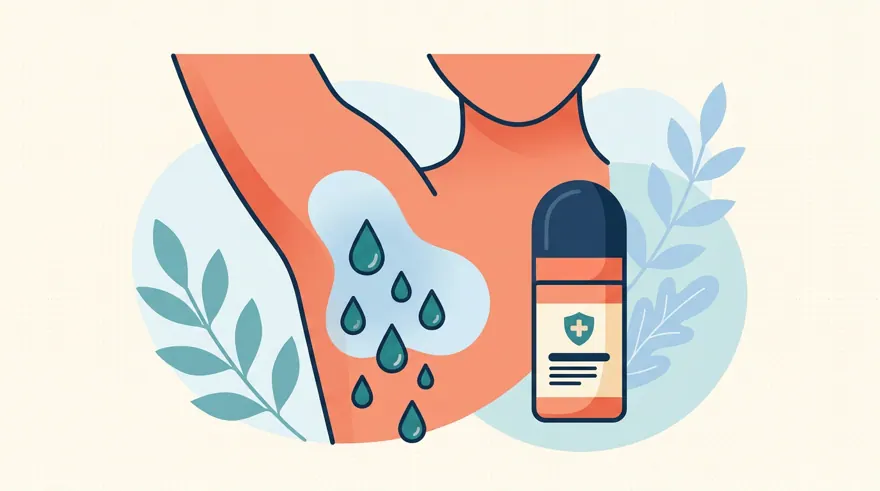
Excessive sweating, medically known as hyperhidrosis, is a condition in which the body produces sweat far beyond what is needed for temperature regulation. Primary focal hyperhi...
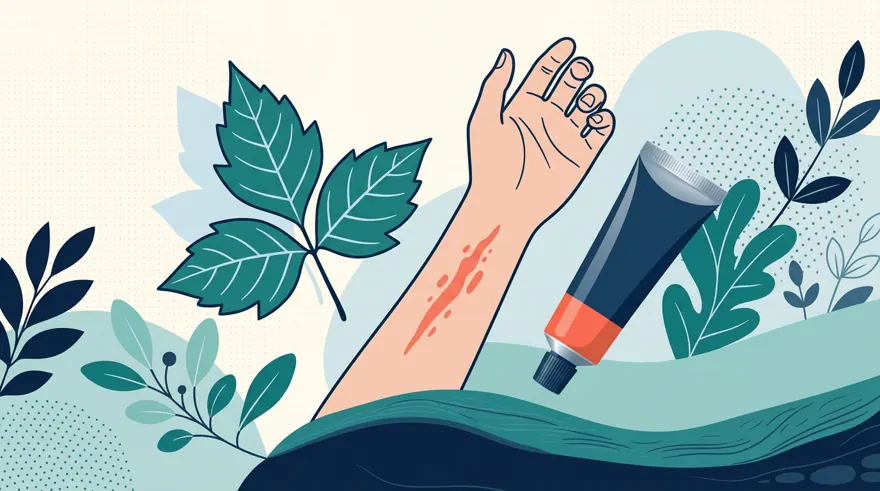
Poison ivy, poison oak, and poison sumac cause allergic contact dermatitis from urushiol oil, an oily resin found on the leaves, stems, and roots of these plants. The classic pr...
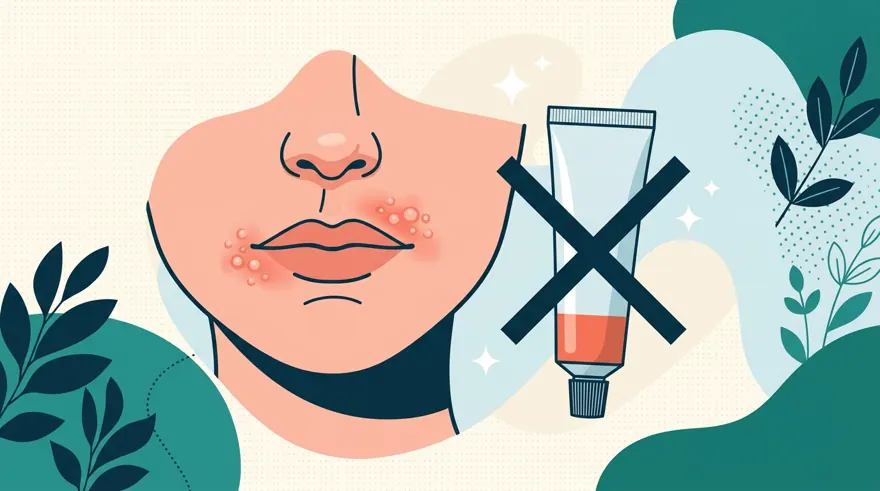
Perioral dermatitis is a common inflammatory skin eruption that causes clusters of small red or skin-colored papules, pustules, and scaling around the mouth, nose, and sometimes...

Melasma is a common chronic skin condition causing brown to gray-brown patches on the face, most often on the cheeks, forehead, upper lip, nose bridge, and chin. It predominantl...
Fast evaluation and treatment for animal bites, tick bites, lice, and scabies.
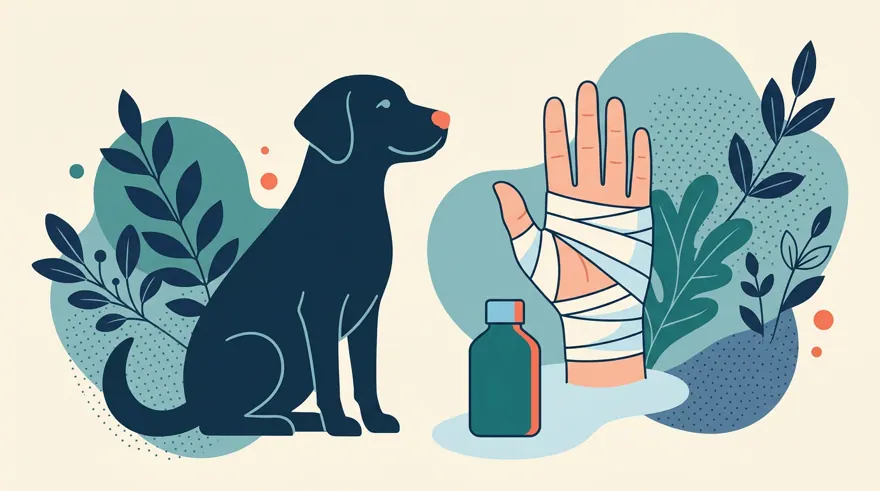
Dog bites range from superficial scratches to deep puncture wounds, and the infection rate for dog bites is 5 to 25 percent depending on wound type and location. Not every dog b...

Cat bites carry a significantly higher infection rate than dog bites, with 30 to 50 percent of untreated cat bites becoming infected. Cat teeth are narrow and sharp, creating de...
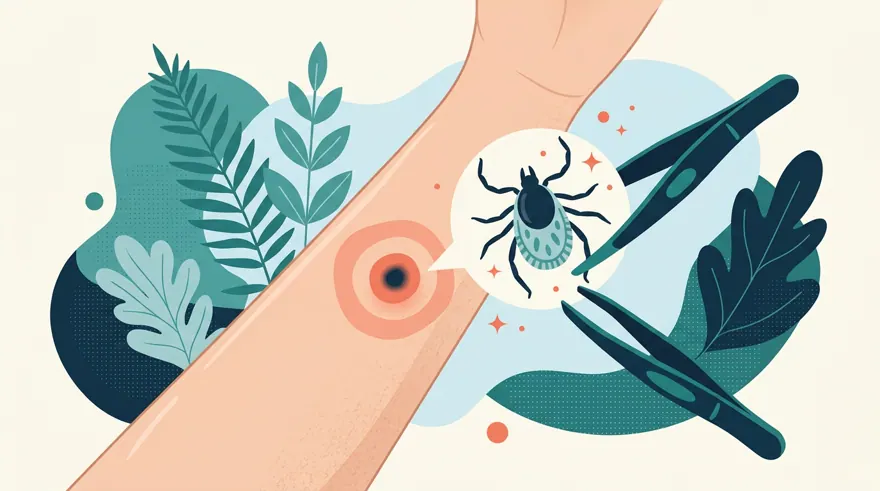
A tick bite raises immediate questions about Lyme disease risk and whether antibiotics are needed. Not every tick bite requires antibiotic prophylaxis, and the decision depends ...
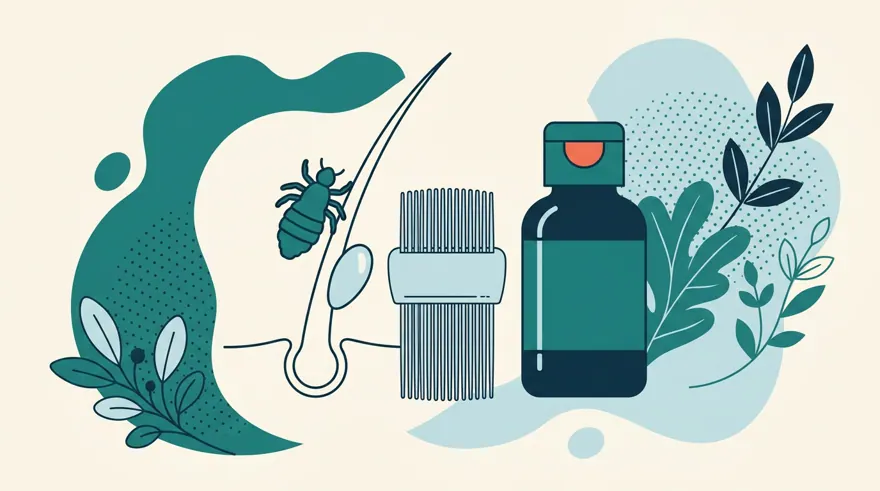
Head lice (Pediculus humanus capitis) are tiny parasitic insects that infest the scalp and hair, causing intense itching and social distress. While head lice do not transmit dis...
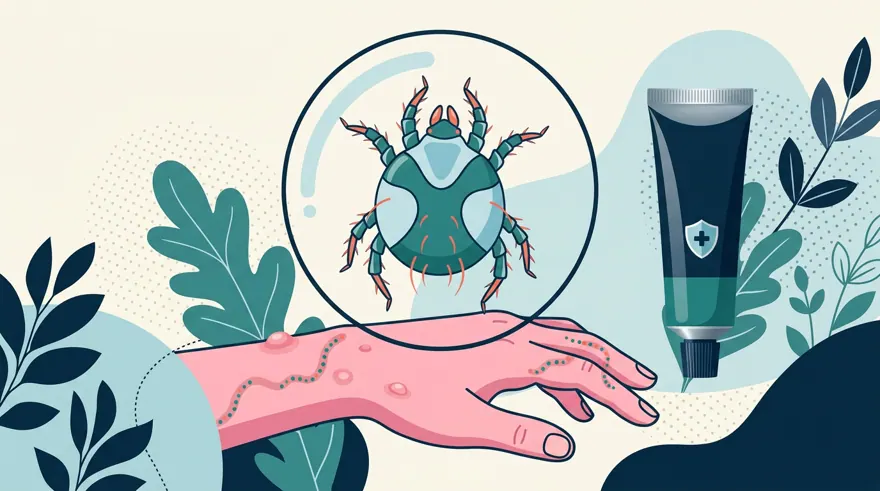
Scabies is a highly contagious skin infestation caused by the Sarcoptes scabiei mite, which burrows into the outer layer of skin and triggers intense itching, especially at nigh...
Convenient prescription renewals for ongoing conditions — no gaps in your medication.
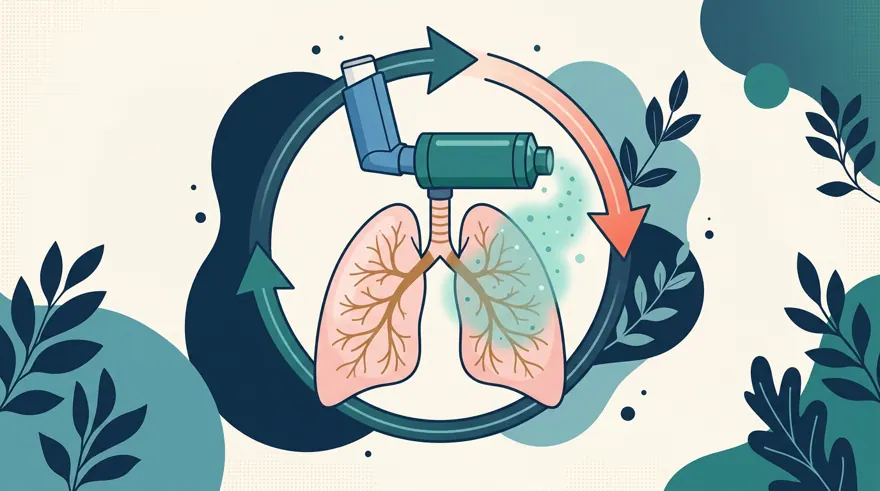
Adults often search for online asthma refills when they are running low on a rescue inhaler, controller inhaler, or both, but not every refill request is safe to handle as routi...

Adults often search for online blood pressure medication refills when they are running low on an established antihypertensive and cannot get in to see their regular physician qu...
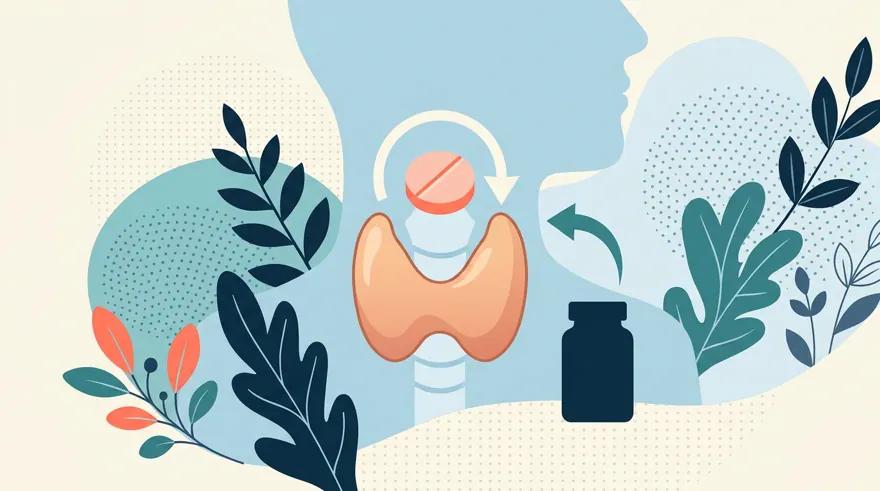
Adults with hypothyroidism often need a levothyroxine refill when they are running low on medication but cannot get in to see their regular provider in time. Not every refill re...
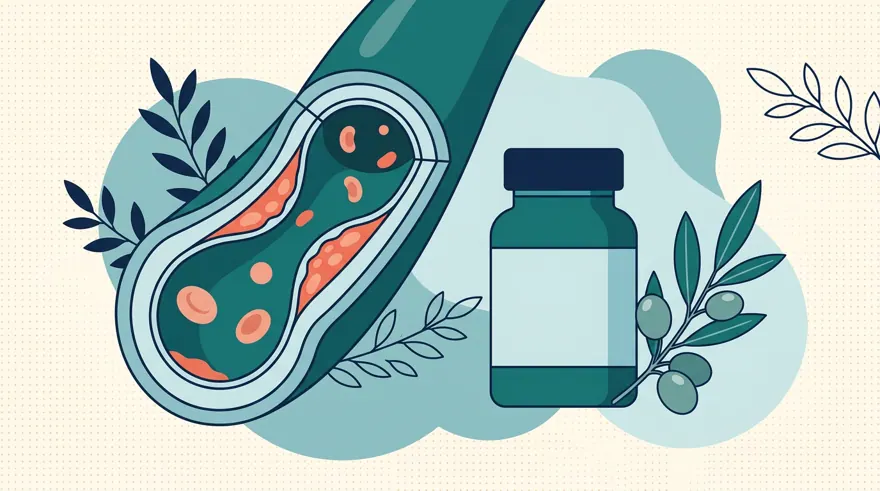
Adults often search for online cholesterol medication refills when they are running low on a statin or other lipid-lowering therapy, but not every refill request is safe to hand...
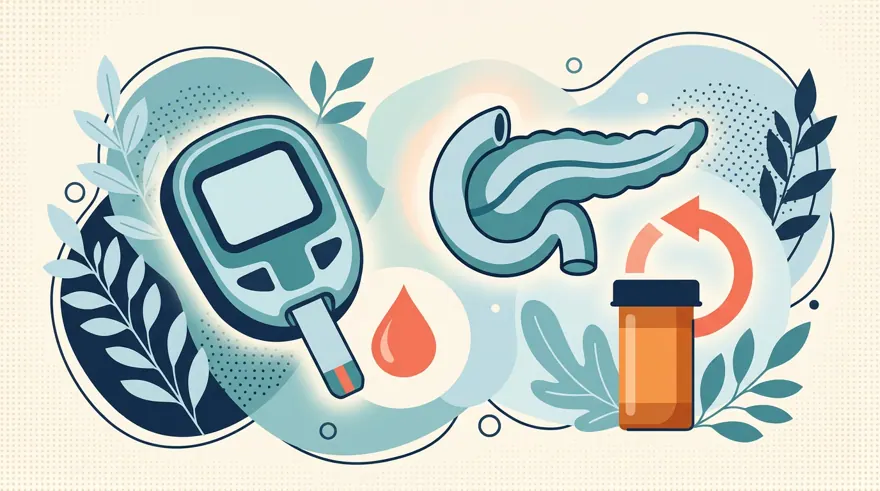
Adults with Type 2 diabetes often search for online diabetes medication refills when they are running low on metformin, an SGLT2 inhibitor, a DPP-4 inhibitor, or another establi...

Adults with an established migraine diagnosis often need medication refills when they run low on a triptan, preventive medication, or both, but not every refill request is safe ...
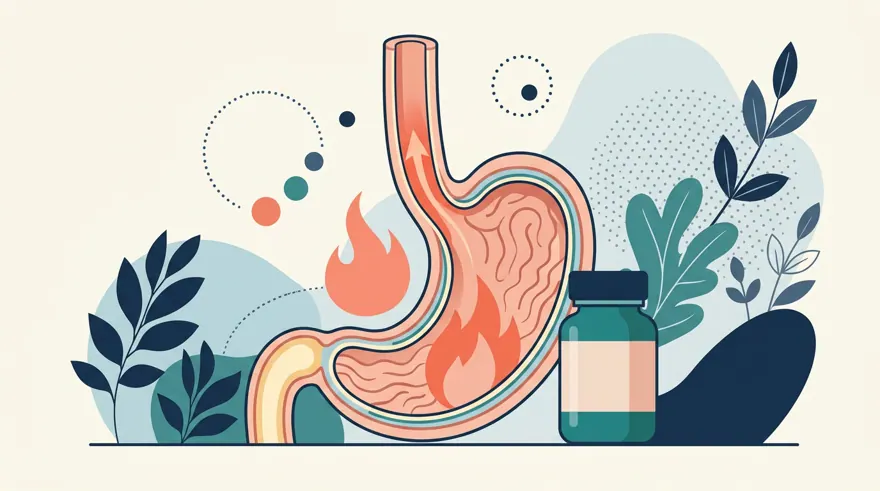
Adults often search for online acid reflux refills when they are running low on a proton pump inhibitor (PPI), H2 blocker, or both, but not every refill request is straightforwa...

Adults with a known history of severe allergic reactions often search for online EpiPen refills when their current epinephrine auto-injectors are expired or approaching expirati...

Seasonal allergies, also called allergic rhinitis or hay fever, are an IgE-mediated immune response to airborne allergens such as tree, grass, and weed pollen or mold spores. Sy...
Telehealth support for hair loss, anti-aging, eyelash growth, and everyday wellness.

Male pattern hair loss, also called androgenetic alopecia, is the most common cause of hair loss in men. It is driven by dihydrotestosterone (DHT), which gradually miniaturizes ...
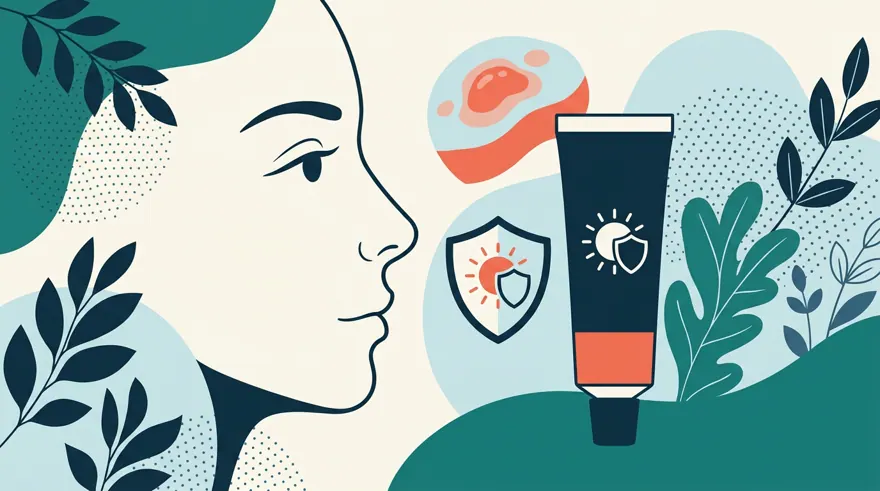
Photoaging, the premature aging of skin caused by chronic ultraviolet exposure, presents as fine wrinkles, mottled hyperpigmentation, rough skin texture, and loss of skin elasti...

Eyelash hypotrichosis refers to having inadequate or insufficient eyelashes. Many adults experience thinning or loss of eyelashes due to aging, medical treatments, certain skin ...

Tobacco use is the leading preventable cause of death in the United States, responsible for approximately 480,000 deaths per year. Quitting smoking is the single most important ...
Pre-travel prescriptions by secure video visit — altitude sickness, malaria prophylaxis, traveler's diarrhea standby, and motion sickness. Non-controlled medications only; self-pay starting at $79.

Pre-travel medicine is among the highest-value preventive medicine consultations available — a single telehealth visit before your departure can prevent illnesses that would oth...

Acute mountain sickness (AMS) is the most common high-altitude illness, caused by hypobaric hypoxia — the reduction in atmospheric oxygen pressure that occurs as elevation incre...

Malaria is a life-threatening mosquito-borne parasitic disease caused by Plasmodium species — primarily P. falciparum, P. vivax, P. ovale, P. malariae, and P. knowlesi — transmi...

Traveler's diarrhea (TD) is the most common travel-related illness, affecting an estimated 30 to 70 percent of travelers to high-risk destinations in any given 2-week trip. It i...

Motion sickness is caused by a vestibular-visual conflict in which the brain receives conflicting signals about motion from the inner ear, eyes, and body position sensors. It af...
Scope discipline is the product. These limits are written into every visit, not buried in a policy page.
TeleDirectMD does not prescribe intravenous (IV) medications or intramuscular (IM) medications, except EpiPen (epinephrine auto-injector) refills when clinically appropriate. This includes IV fluids and infusions, and IM antibiotic or steroid shots. We cannot issue these prescriptions for administration at another clinic or by another provider.
If your symptoms point to something that needs hands-on care, we say so and direct you to an ER or in-person clinic. No upsell.
We do not prescribe Schedule II–V medications by telehealth. That line does not move.
TeleDirectMD treats adults. Anything outside our scope gets referred out rather than stretched to fit.
Every visit is a live video encounter with a board-certified MD, documented like any other clinical encounter.
We bill Aetna, select Blue Cross Blue Shield plans, UnitedHealthcare, and Curative. Self-pay visits are $79 and FSA/HSA eligible.
$79 flat, same day, with a board-certified MD. Available in 44 states and Washington, D.C. Select insurance also accepted.
Book your visit